Africa hosts some of the most diverse and spectacular wildlife on the planet. From the vast savannahs to dense jungles, the continent is teeming with creatures that captivate and intrigue. While you might be familiar with the grandeur of elephants or the majesty of lions, there’s a treasure trove of fascinating facts about African wildlife waiting to be unearthed. Ready to embark on a journey of discovery? Let’s dive into the astonishing world of African wildlife that holds surprises at every turn.
1. The Unseen Architects of the Savanna
Termites, often overlooked, are pivotal in shaping the African savanna. Their vast mounds influence both the distribution of vegetation and the availability of water, playing a crucial role in the ecosystem. These industrious creatures construct enormous mounds that serve as intricate fortresses, allowing them to regulate temperature and humidity. Inside these mounds, termites cultivate fungi, which they rely on for nourishment. In turn, the mounds create microhabitats that support various plant species, contributing to the biodiversity of the savanna.
Beyond their architectural abilities, termites are essential decomposers within the ecosystem. They break down organic matter like dead trees and grasses, recycling nutrients back into the soil. This process enhances soil fertility and encourages new plant growth, sustaining the complex web of life on the savanna. Additionally, the presence of termite mounds impacts the movement patterns of herbivores, as these structures provide both shelter and rich foraging grounds. Consequently, termites not only build their own homes but also shape the entire landscape, greatly influencing African wildlife.
2. The Unique Diet of the African Elephant
African elephants are not just voracious eaters but also highly selective ones. They consume over three hundred species of plants, including leaves, bark, and fruits, impacting the flora significantly and helping to maintain the ecological balance. This selective browsing creates a mosaic of different plant levels, allowing sunlight to penetrate and foster diverse ecosystems. Moreover, by uprooting trees and trampling undergrowth, elephants help open up space for grasses to grow, which is vital for smaller herbivores.
Elephants play a significant role in seed dispersal, transporting seeds over vast distances as they move across their territories. Many plant species depend on elephants for seed germination and propagation, making these majestic giants integral to their survival. During the dry season, elephants use their tusks to dig for water, creating waterholes that benefit other species. Their dynamic interactions with the environment are crucial for sustaining the biodiversity of African landscapes.
3. The Secret Language of Giraffes
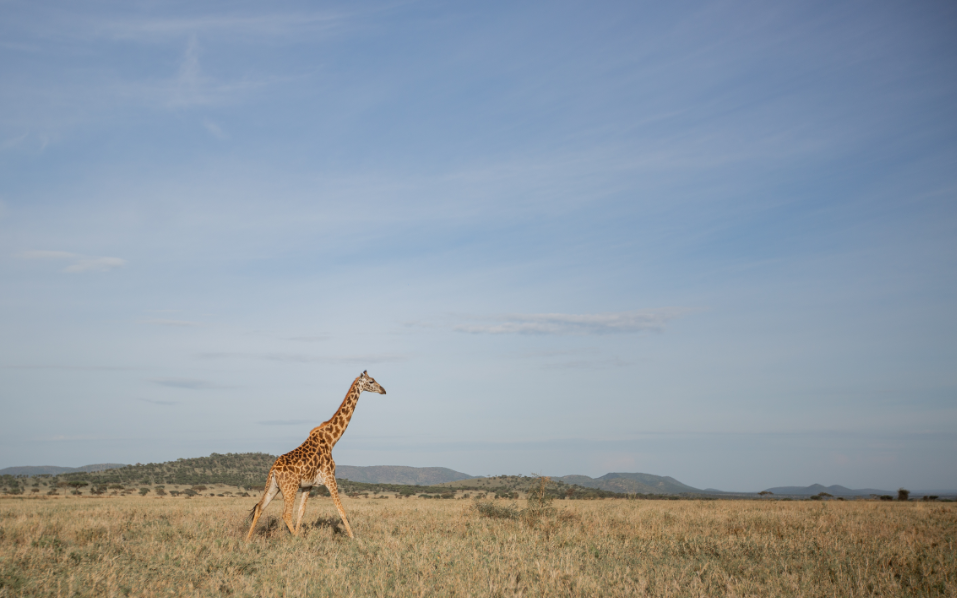
Contrary to popular belief, giraffes do communicate. They use low-frequency hums, inaudible to humans, which allow them to express themselves over considerable distances. While giraffes are often perceived as silent giants, these subtle vocalizations convey information about their location, attracting mates, and signaling alarm. Their unique hums are particularly advantageous during the night when visibility is low, offering a means of staying in touch with other group members.
This intriguing aspect of giraffe communication extends beyond what we typically recognize as vocalization. Giraffes also use visual signals, such as body postures and tail movements, to convey messages within their groups. A flick of the tail or a particular stance can signal alertness or calmness to their companions. By paying attention to these subtle cues, giraffes maintain social cohesion and avoid the attention of predators. The study of giraffe communication is a growing field, offering insights into the complexity and adaptability of this remarkable species.
4. The Unusual Camouflage of Zebras
Zebras’ stripes, beyond mere aesthetics, serve as a sophisticated form of camouflage. These stripes dazzle predators and act as a natural insect repellent, showcasing nature’s ingenuity. The contrasting black and white patterns create an optical illusion, confusing predators by making it difficult to single out individual zebras in a moving herd. This adaptive strategy reduces the risk of predation, enhancing the zebras’ chances of survival.
Beyond evading predators, the stripes of zebras have been found to disrupt the vision of blood-sucking insects like tsetse flies. Studies suggest that the polarized light reflection from the patterns confuses the flies, making it challenging for them to land on zebras. This unique camouflage illustrates how evolution shapes the physical characteristics of animals to optimize their survival in specific environments. The dazzling stripes act as a testament to the intricate balance of ecosystems and the innovative adaptations animals develop to thrive.
5. The Cooperative Nature of African Wild Dogs
African wild dogs are unmatched in their cooperation and team dynamics. Each member plays a pivotal role in hunting, exemplifying teamwork that ensures their survival in the wild. In their packs, which can consist of around ten individuals, there is a strong social hierarchy, and each dog knows its place and duties. Their cooperative strategy in hunting allows them to take down prey much larger than themselves, which would be impossible for an individual dog.
The success of African wild dog packs lies in their communication and leadership structure. Hunting strategies involve silent coordination and swift execution, guided by the matriarch and senior members of the pack. Apart from hunting, the cooperative care of offspring is notable. Surviving as a group means providing for the young, sick, and older members, highlighting a level of altruism rare in the animal kingdom. Their strong pack bonds and coordinated behaviors make them fascinating subjects for understanding animal behavior and social dynamics.
To fully grasp this astonishing behavior, one must witness it firsthand. By taking one of our guided safaris, you can see the African wild dogs in action and appreciate the intricacies of their social structure. These dynamic and adaptable predators have much to teach us about cooperation and perseverance in the animal world.
6. The Intelligent Problem Solvers: African Grey Parrots
Renowned for their intelligence, African Grey Parrots exhibit problem-solving skills that match those of a four-year-old child. Their cognitive abilities make them one of the most intriguing avian species. These parrots show remarkable talents in mimicking human speech and sounds, which they use not just for communication but also for problem-solving. By listening and learning from their human companions, African Grey Parrots can adapt to new situations and environments.
In the wild, these parrots display complex behavioral traits such as using tools, understanding cause-and-effect relationships, and engaging in social learning. Their ability to form social bonds and communicate within their flock plays a crucial role in their survival. Studies on African Grey Parrots have provided valuable insights into avian intelligence, suggesting that their brain-to-body size ratio is similar to that of great apes. The curiosity and intelligence of African Grey Parrots stand as a testament to the remarkable mental capacities that can occur in nature, promising interesting insights into the evolution of intelligence.
7. The Resilient Survivors: Desert Lions
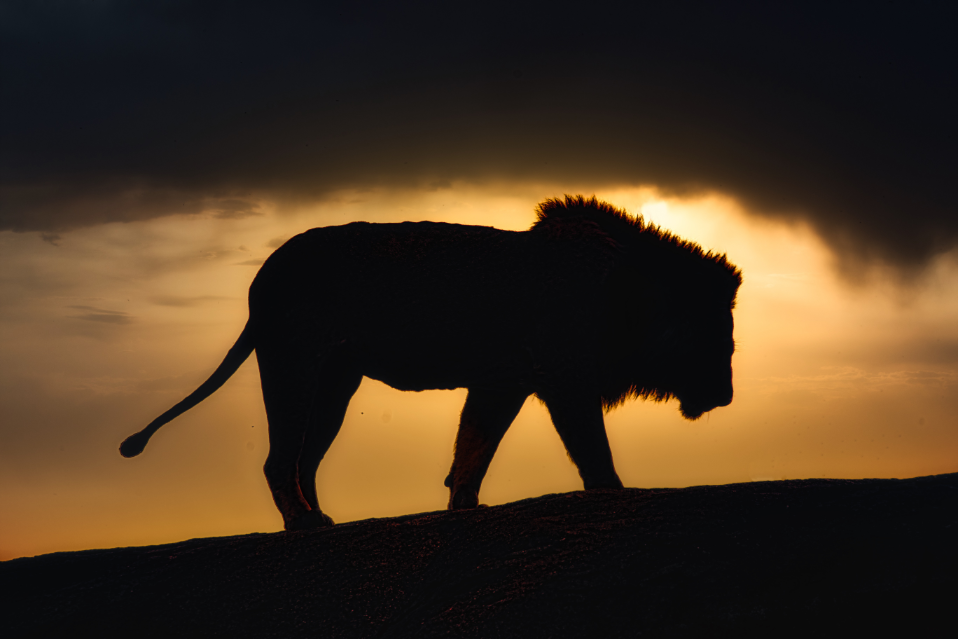
Living in the harsh Namib Desert, desert lions have adapted to extreme conditions, showcasing extraordinary resilience. Their ability to traverse great distances in search of prey highlights their survival prowess. These lions are known to cover up to 43 kilometers in a single night, navigating challenging terrains with limited water sources. Their days are spent resting in the shade of isolated trees or rocky outcrops to conserve energy, avoiding the sweltering heat of the desert.
Surviving in one of the most extreme habitats on Earth requires unique adaptations. Desert lions are adept hunters, preying mainly on gemsbok, ostriches, and other desert-dwelling animals. Their honed hunting skills and strategic approach to stalking prey in open terrains are remarkable. Furthermore, these lions rely heavily on their keen sense of sight and smell, as well as cooperation within their pride, to overcome the odds of survival. The story of desert lions is not just one of hardship but a testament to the incredible adaptability and resilience of African wildlife.